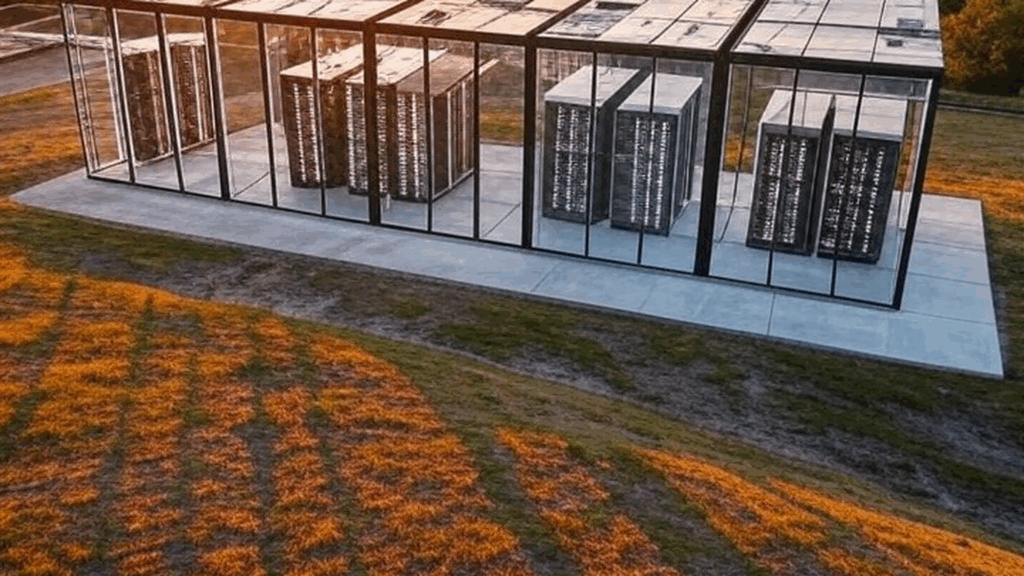
DeForest, Wisconsin’s move to reject the QTS proposal shows how local resistance can stop even massive data center plans, including AI-capable builds, before they leave the drawing board.
A 1,600-acre campus likely meant very large-scale power, water, and transmission upgrades, and residents clearly saw energy and environmental impacts as non‑negotiable risk.
For AI infrastructure, this is another signal that greenfield hyperscale builds in smaller communities face growing political friction around grid strain and resource use.
QTS now has a strong incentive to either redesign with lower visible resource impact or shift capacity to markets with more welcoming policy and existing utility headroom.
The village explicitly still wants development, so the door is open for denser, more efficient, or smaller‑footprint projects that better match local infrastructure and tax goals.
Operators planning GPU-heavy campuses should read this as a warning to lock in community support, credible sustainability plans, and transparent utility impacts early.
The article is worth a full read for anyone modeling where the next wave of data center and AI buildout can realistically land.
Source: DeForest will recommend rejecting QTS data center project