
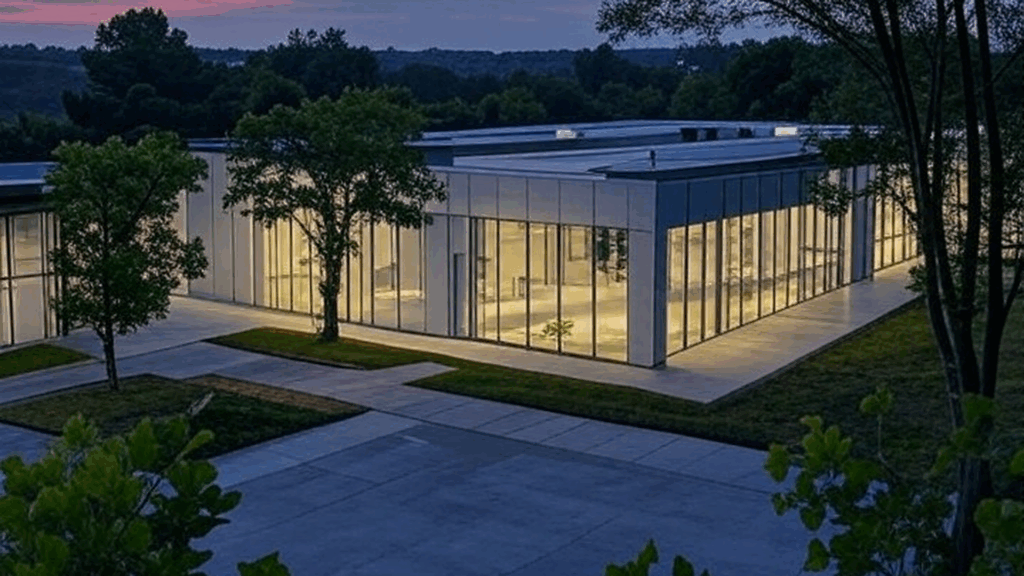
Naperville is weighing a 36 MW, 211,000-square-foot Karis Critical data center that would sit close to residential neighborhoods and sensitive public spaces instead of in an industrial zone.
For AI infrastructure, that 36 MW load is material, with residents warning it’s equivalent to powering roughly 25,000 homes and could pressure the local grid and raise electric bills.
The design relies on 24 large diesel backup generators and over 70,000 gallons of onsite fuel, triggering health, emissions, and noise concerns from doctors and neighbors, which is a major red flag for community-siting strategy.
Local and regional watchdogs point to data centers, including AI-oriented ones, as drivers of higher electricity rates, with the Citizens Utility Board estimating Chicago-area bills could rise up to $70 in three years.
Nearby Aurora has already put a moratorium on new data centers and warehouses after confirming existing sites contribute to higher utility costs, signaling growing municipal pushback to unchecked AI data center expansion.
This vote will be a useful signal on how much political and social resistance AI-scale facilities face when they move out of industrial zones and into mixed-use areas.
Worth reading in full if you care about how local politics, grid constraints, and diesel-heavy designs can make or break AI data center plans.
Source: Naperville City Council to discuss controversial plan for data center – CBS Chicago