
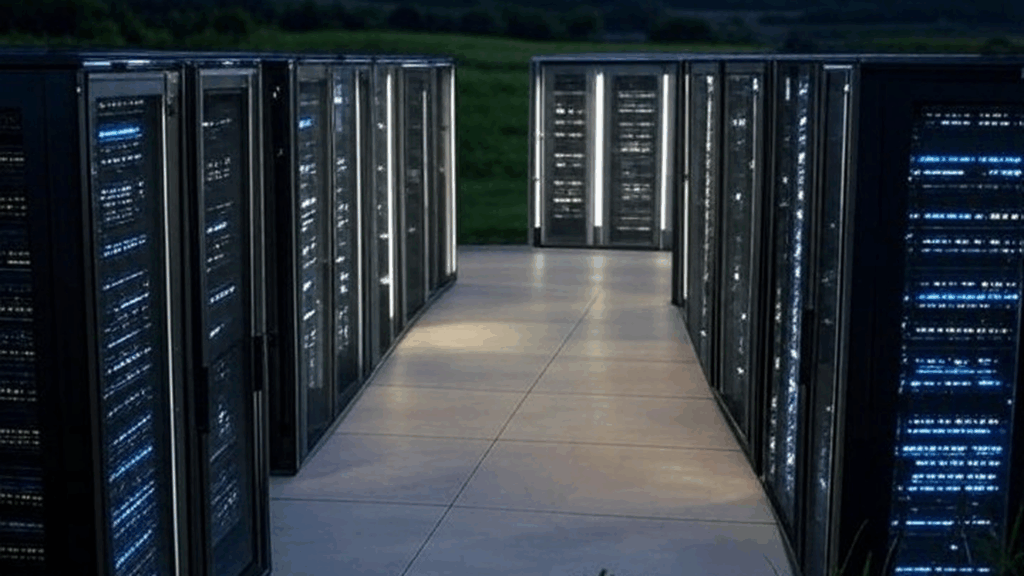
Data centers are now central to AI workloads, but local pushback on power use, water, noise, and tax deals is threatening build timelines and, by extension, GPU capacity growth.
The authors argue that legally binding, transparent community benefit agreements (CBAs) are becoming a prerequisite for large AI data center projects in many U.S. markets.
Strong CBAs quantify jobs, tax revenue, workforce training, health impacts, and hard limits on energy and water, giving communities leverage and operators clearer social license to expand.
Redacted contracts around power draw, water usage, and cost-sharing are flagged as a major risk, since lack of transparency fuels political resistance and can slow or kill projects.
Case studies from Cleveland, Lancaster, Cedar Rapids, West Des Moines, Indiana, and El Paso show a pattern: tax abatements and grid upgrades in exchange for renewable energy commitments, caps on water, and local hiring and education pipelines.
For operators and cloud vendors, this means AI capacity planning now has to include CBA negotiations as a first-class dependency, not an afterthought.
The piece is worth a full read for anyone modeling AI data center siting, permitting risk, and long-term energy and community obligations.
Source: Why community benefit agreements are necessary for data centers | Brookings