
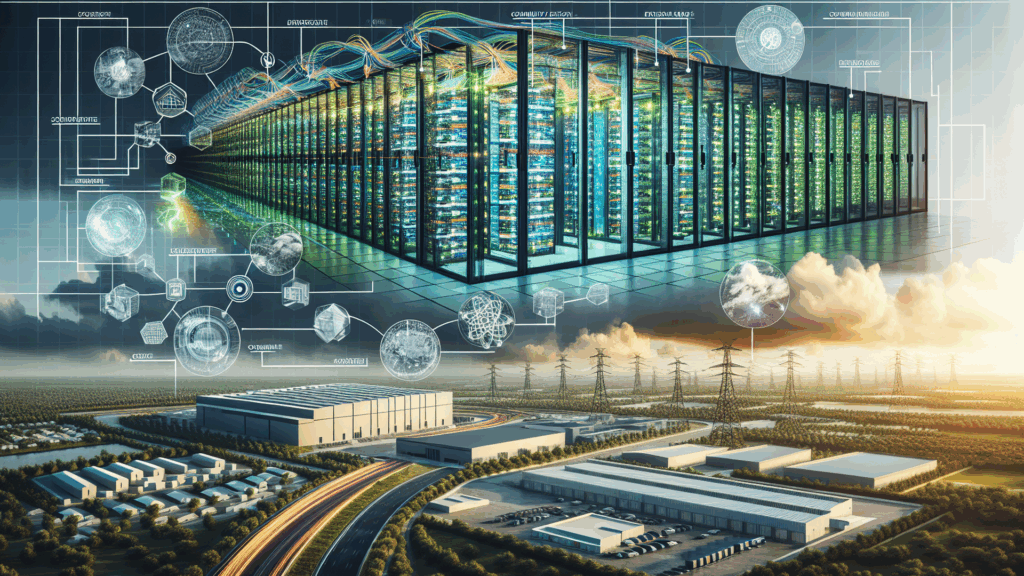
Nebius’s planned “AI factory” in Birmingham is stalled because neighbors and local groups pushed back hard on siting, noise, and power use in a non‑industrial corridor.
The facility would reuse a former Regions Operations Center site and draw roughly 300 MW, with a dedicated substation and switchyard to isolate Alabama Power’s retail customers from direct rate impact.
Environmental advocates argue that a substation doesn’t solve the upstream issue: where that 300 MW really comes from, what new fossil capacity it may trigger, and how much water the AI workloads will consume.
Local institutions, including the Greater Birmingham Humane Society, worry about design changes, outdoor noise, donor anxiety, and overall uncertainty about whether the broader campus remains viable.
Nebius is pitching tens of millions in annual tax revenue and hundreds of construction jobs, framing the project as a tradeoff between AI‑driven economic development and environmental and quality‑of‑life risks.
This fight lands in the middle of Alabama’s broader data center build‑out, where “AI factories” are emerging as higher‑density, GPU‑heavy variants of traditional facilities, amplifying power and siting tensions.
The article is worth a read if you’re tracking how community resistance, grid realities, and education funding pressures shape where large GPU data centers can actually get built.