
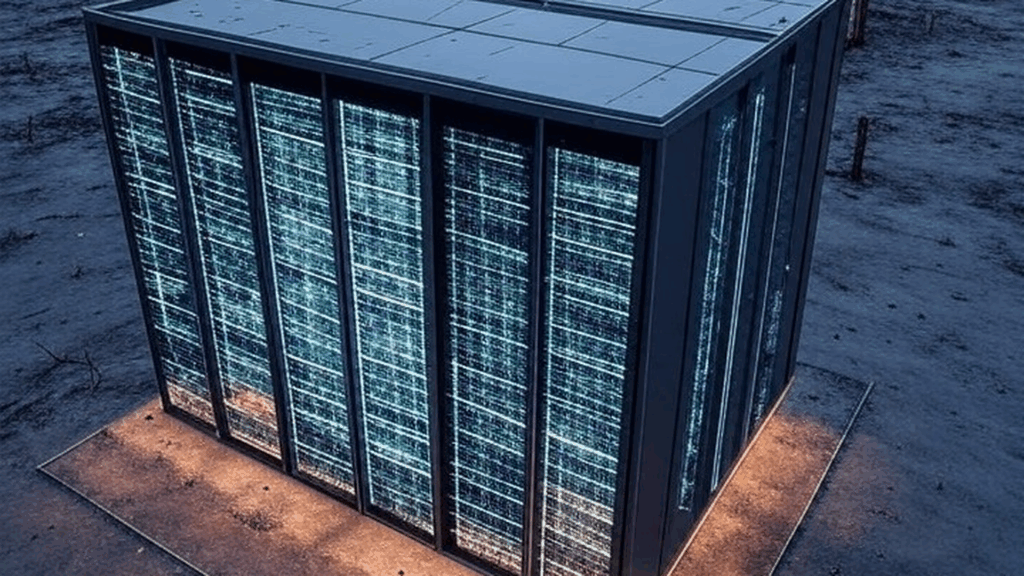
Childersburg just rezoned a contaminated former Manhattan Project munitions site to allow a 500 MW, $6 billion hyperscale data center, positioning it as “critical infrastructure.”
The site still carries EPA Superfund concerns, with an Army Corps report warning of unacceptable worker risk from soil and groundwater contamination, which raises serious construction and long-term O&M issues.
The plan involves WHP Development (likely Western Hospitality Partners), a glycol-based cooling system, a 486-acre land purchase for about $17 million, and a promise of roughly 220 permanent jobs plus construction labor.
Local residents are skeptical, citing national patterns: heavy power and water demand, noise, light, traffic, utility rate impacts, and a lack of transparency typical of large AI/data center campuses.
Unlike other Alabama towns where mayors signed strict NDAs for similar hyperscale projects, Childersburg’s mayor instead signed a looser “confidentiality agreement,” but details are still thin and the developer’s rep refused on-the-record specifics.
From an AI infra perspective, this is another example of hyperscale capacity chasing cheap land and permissive zoning in smaller towns while running headlong into legacy contamination, infrastructure constraints, and growing local opposition.
The article is worth a read for how it connects federal legacy sites, Superfund realities, and the opaque siting of next-wave AI data centers in the Southeast.