
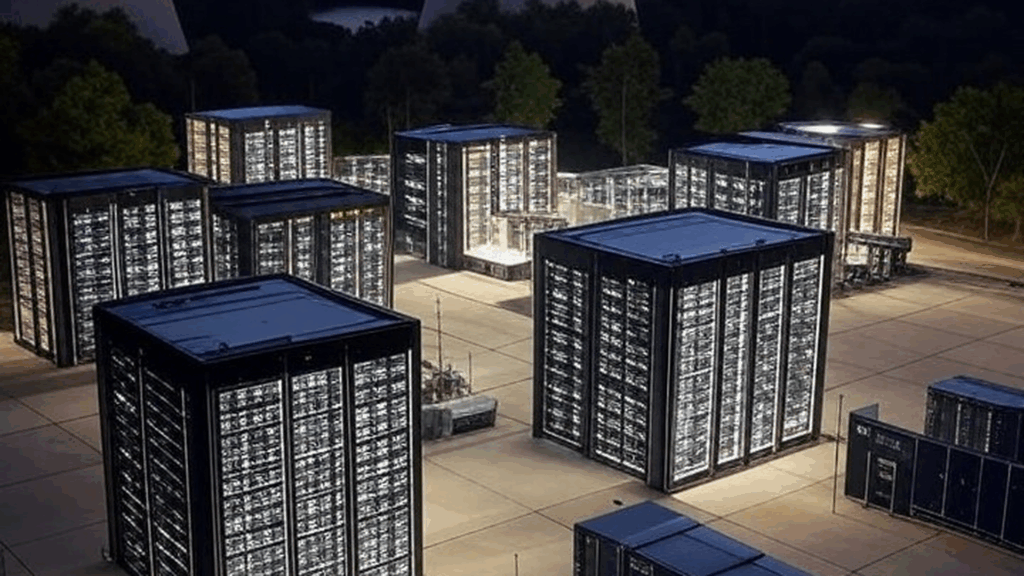
Allegheny County, Pennsylvania just approved a 565,000-square-foot hyperscale data center on a former coal plant site that could draw as much power as 140,000 homes, squarely in the AI-era load profile.
Local officials framed it as inevitable industrial progress with needed jobs, but residents and environmental groups uniformly opposed it, citing noise, health, and climate impacts.
The key AI infra signal is sheer energy intensity: this is a hyperscale build explicitly tied to the broader AI boom, with developers reportedly constructing capacity before even securing clients.
The project will use a closed-loop water system, but critics are more focused on diesel backup generators that will kick in during grid stress and add to regional air pollution.
Advocates argue data centers of this scale lock in more fossil-based generation, potentially driving more fracking and pipelines to feed AI-driven electricity demand.
Regulators approved the project largely because opponents couldn’t provide formal evidence of harm under existing rules, highlighting how land-use law lags AI data center realities.
This is a useful link if you’re tracking how second-tier regions are absorbing hyperscale AI power loads under weak environmental guardrails.