
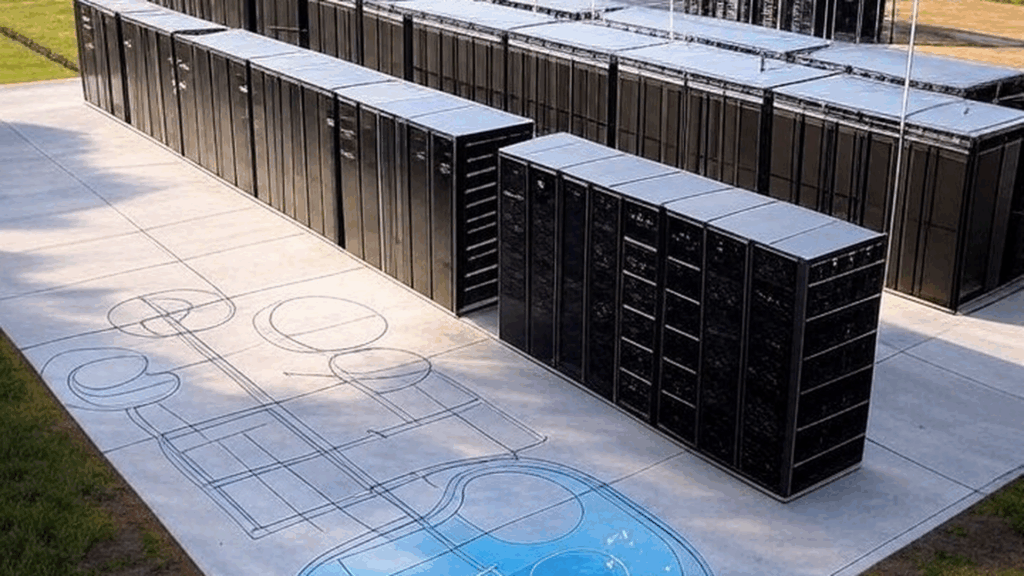
Wisconsin’s data center buildout is reversing decades of declining electricity demand, with utilities projecting peak load to rise from 14.6 GW in 2024 to about 17 GW by 2030, largely due to new facilities.
More than 40 data centers are already operating with four more planned, pushing utilities to consider new generation and transmission, especially as sites spread from the south-central corridor into more rural areas like Beaver Dam and DeForest.
Data centers will likely accelerate the shift away from older coal plants toward renewables, but they also force hard choices on where to add capacity and who pays for grid upgrades.
Water usage is politically hot, but the report frames individual data center loads, like the Mount Pleasant campus’s 8 million gallons per year, as small compared with long-term industrial demand declines, even as fixed water infrastructure costs pressure rates.
Operators are leaning on closed-loop cooling to cut water draw, which could help cities spread infrastructure costs while limiting total consumption growth.
Local governments are moving to control where and how data centers are built, while competing state bills would either push renewable power requirements or make sure data centers, not other customers, fund grid improvements.
The piece is worth a read for how it ties load forecasts, grid buildout, and local politics into the real operating context for AI-scale data centers in a Midwestern market.
Source: Data center boom follows decades of falling electricity, water use in Wisconsin