
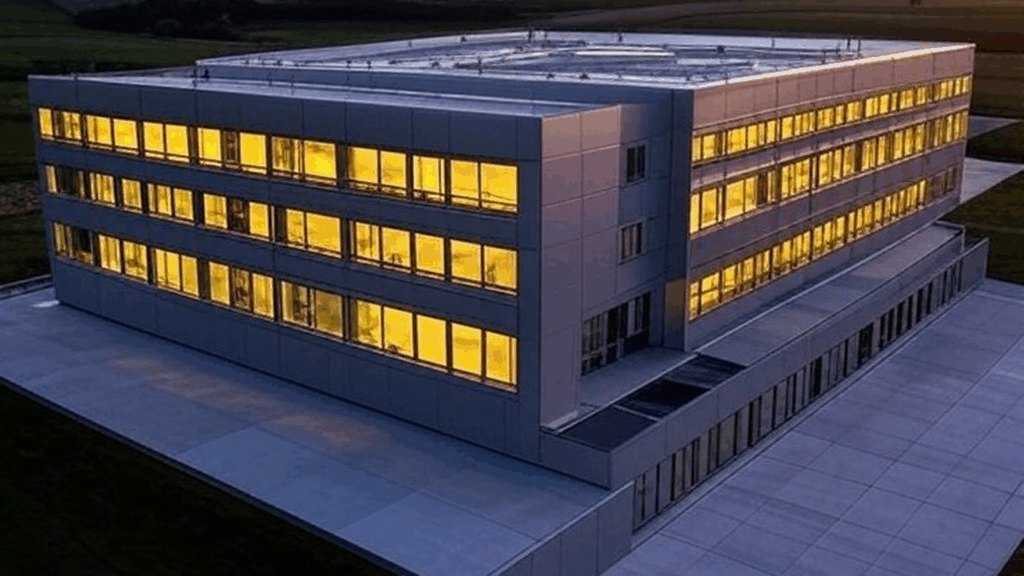
DeForest’s village board just rejected a petition that would have forced a public referendum on the QTS AI data center annexation, clearing a key procedural hurdle for the project.
The controversy is now shifting to the state level, where new legislation would tighten oversight of large data centers’ energy, water, and cost impacts on other utility customers.
The bill would bar shifting grid-upgrade costs onto non–data center ratepayers, require on-site renewables dedicated to the facility, and mandate closed-loop water cooling systems.
QTS is pitching an estimated $1.2 billion in new assessed value over four years, while residents question whether a small village can effectively manage a Blackstone-backed mega-project.
Labor groups support moving ahead, emphasizing construction and engineering jobs and local infrastructure gains, while opponents want to pause until the state rules are in place.
The story is a sharp example of how AI data center buildouts are running into local governance, utility cost allocation, and resource constraints that now demand state-level frameworks.
Worth reading in full for how one midwestern community is negotiating the trade-offs of hyperscale AI infrastructure on its grid, water, and tax base.
Source: DeForest village board declines data center referendum | News | channel3000.com