
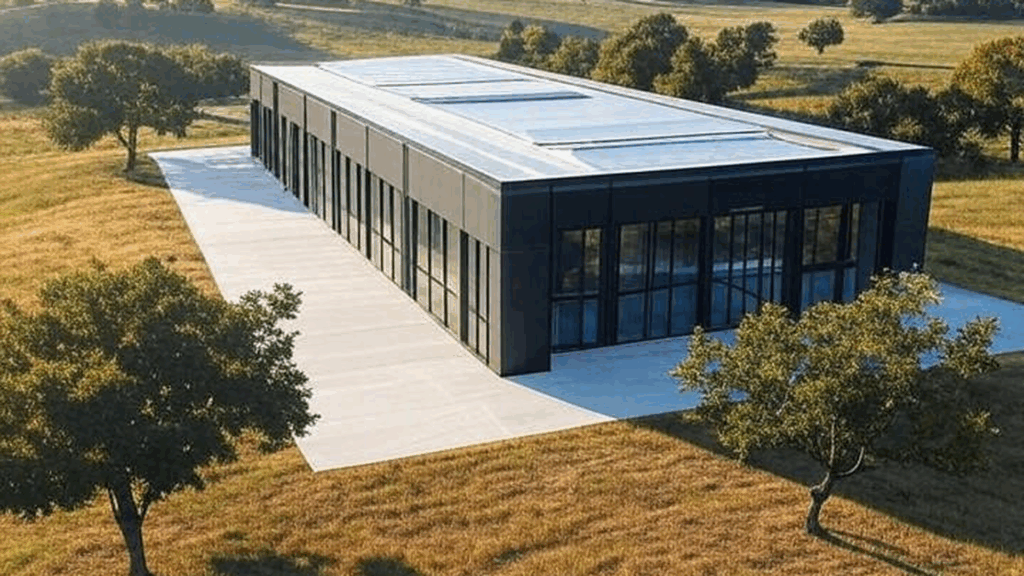
OpenAI and Oracle are moving ahead with a 2.2M-square-foot hyperscale data center in rural Saline Township after officials settled a zoning lawsuit they say they couldn’t afford to fight.
The township faced potential damages north of $25 million versus just $500,000 in legal insurance coverage, in a community running a budget deficit under $1 million in annual revenue.
The legal risk turned on “exclusionary zoning” claims, since the township had no land zoned for industrial or research use, which could have forced them to allow a data center anyway, possibly through a tax-exempt university partner with zero local control.
The settlement codifies some controls on water use, setbacks, site plans, and decommissioning, and brings $14 million in contributions to the township and local fire departments, but residents remain furious over noise, land-use change, and perceived capitulation.
For AI infrastructure, this is a clear example of hyperscale AI builds (GPU-heavy data centers) colliding with under-resourced rural zoning regimes that lack industrial planning and cannot absorb high-stakes litigation.
Operators and vendors looking to land large AI campuses will keep exploiting these zoning gaps and fiscal asymmetries, so communities without industrial zones or strong comp plans are likely soft targets.
The piece is worth reading for how it lays out the legal, financial, and governance pressures that shape where AI data centers actually get built.